

_edited.jpg)
Emerging Clean Energy Trends India: Navigating the Path to Sustainability
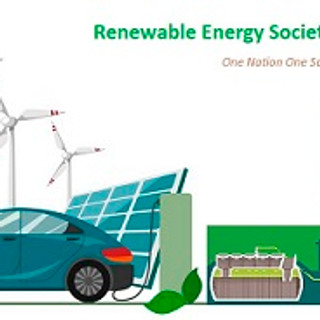
India's energy landscape is undergoing a profound transformation, driven by the imperative to reduce carbon emissions and achieve energy security. The transition towards clean energy sources is not merely a policy directive but a complex, multi-dimensional process involving technological innovation, regulatory reforms, and strategic investments. This article explores the emerging trends in India's clean energy transition, providing a comprehensive analysis of the factors shaping this evolution and the implications for stakeholders across the spectrum.
Accelerated Deployment of Renewable Energy Technologies
The rapid expansion of renewable energy capacity in India has been a defining feature of the country's energy transition. Solar and wind power installations have witnessed unprecedented growth, supported by favorable government policies such as competitive bidding, tax incentives, and streamlined land acquisition processes. The National Solar Mission and the Wind Energy Mission have catalyzed investments, resulting in India becoming one of the largest markets for renewable energy globally.
Significant advancements in photovoltaic technology and turbine efficiency have reduced the levelized cost of electricity (LCOE) from renewables, making them increasingly competitive with conventional fossil fuels. Additionally, the integration of hybrid renewable systems, combining solar and wind with energy storage solutions, is enhancing grid stability and reliability.

Policy and Regulatory Frameworks Shaping Clean Energy Trends India
The evolution of India's clean energy sector is intricately linked to the development of robust policy and regulatory frameworks. The government has introduced ambitious targets, such as achieving 500 GW of non-fossil fuel capacity by 2030, which necessitates coordinated efforts across central and state agencies. Regulatory bodies have been empowered to facilitate grid integration, enforce renewable purchase obligations (RPOs), and promote open access for renewable energy consumers.
Furthermore, the introduction of carbon markets and energy efficiency standards is expected to incentivize cleaner production methods and consumption patterns. The alignment of fiscal policies with environmental objectives, including subsidies for electric vehicles and energy-efficient appliances, complements the broader clean energy agenda.

Technological Innovations Driving the Energy Transition
Technological innovation remains a cornerstone of India's clean energy transition. Breakthroughs in energy storage, smart grid technologies, and digitalization are enabling more efficient management of energy resources. Battery storage systems, particularly lithium-ion and emerging solid-state technologies, are addressing the intermittency challenges associated with renewable energy sources.
Smart grids equipped with advanced metering infrastructure and real-time data analytics facilitate demand response and optimize energy distribution. Additionally, the deployment of electric mobility solutions, including electric buses and two-wheelers, is gaining momentum, supported by improvements in battery technology and charging infrastructure.
Financing Mechanisms and Investment Trends
The mobilization of capital is critical to sustaining the momentum of India's clean energy transition. Innovative financing mechanisms, such as green bonds, climate funds, and public-private partnerships, are increasingly being leveraged to bridge funding gaps. Multilateral development banks and international climate finance institutions have played a pivotal role in de-risking investments and providing concessional financing.
Corporate participation through renewable energy purchase agreements (RE-PPA) and sustainability-linked loans is also expanding, reflecting a growing recognition of environmental, social, and governance (ESG) criteria in investment decisions. The emergence of decentralized energy solutions, including rooftop solar and microgrids, is attracting investments at the community level, fostering inclusive growth.
Integration of Clean Energy in Industrial and Urban Sectors
The industrial and urban sectors represent significant opportunities for clean energy integration. Energy-intensive industries are adopting renewable energy sources and energy efficiency measures to reduce operational costs and carbon footprints. The promotion of green hydrogen as a clean fuel alternative is gaining traction, with pilot projects underway in steel, cement, and chemical manufacturing.
Urban centers are witnessing the proliferation of smart city initiatives that incorporate renewable energy, electric mobility, and energy-efficient buildings. The convergence of digital technologies with clean energy solutions is enabling more sustainable urban ecosystems, enhancing quality of life while reducing environmental impacts.
Future Outlook: Strategic Imperatives for Accelerating the Transition
The trajectory of India's clean energy transition will depend on the sustained commitment of all stakeholders to innovation, collaboration, and policy coherence. Priorities include enhancing grid infrastructure to accommodate higher renewable penetration, fostering research and development in emerging technologies, and strengthening capacity-building initiatives.
The Renewable Energy Society of India (RESI) plays a crucial role in this context by serving as a national platform that accelerates innovation and fosters collaboration among scientists, technologists, policymakers, and industry leaders. By aligning efforts towards net-zero emissions and energy independence, India can position itself as a global leader in sustainable energy.
In conclusion, the multifaceted nature of India's clean energy transition necessitates a holistic approach that integrates technological, financial, and regulatory dimensions. The emerging trends discussed herein provide a roadmap for navigating this complex landscape, underscoring the importance of strategic foresight and collective action.
For further insights on this subject, the detailed analysis of indias clean energy transition trends offers valuable perspectives and data-driven recommendations.


Comments