

_edited.jpg)
India’s Clean Energy Transition: Key Trends
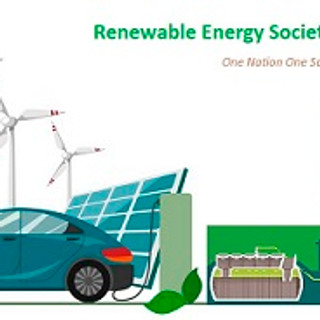
India’s energy landscape is undergoing a profound transformation, driven by the imperative to reduce carbon emissions, enhance energy security, and foster sustainable economic growth. The transition towards clean energy sources is not merely a policy ambition but a strategic necessity that has garnered significant momentum across multiple sectors. This article explores the key trends shaping India’s clean energy transition, providing a comprehensive analysis of technological advancements, policy frameworks, market dynamics, and collaborative initiatives that collectively define the nation’s pathway to a sustainable energy future.
Emerging Trends in India’s Clean Energy Transition
The trajectory of India’s clean energy transition is characterized by several interrelated trends that reflect both domestic priorities and global environmental commitments. Foremost among these is the rapid expansion of renewable energy capacity, particularly solar and wind power. India has set ambitious targets, aiming to achieve 500 GW of non-fossil fuel-based capacity by 2030. This objective is supported by substantial investments in infrastructure, grid modernization, and energy storage solutions.
In parallel, the integration of digital technologies such as smart grids, advanced metering infrastructure, and artificial intelligence is enhancing the efficiency and reliability of renewable energy systems. These innovations facilitate real-time monitoring, predictive maintenance, and optimized energy dispatch, thereby addressing intermittency challenges inherent to solar and wind power.
Furthermore, the electrification of transport and industrial sectors is gaining traction, with electric vehicles (EVs) and green hydrogen emerging as pivotal components of the clean energy ecosystem. The government’s policy incentives and subsidies are catalyzing private sector participation, fostering an environment conducive to innovation and scale.

Policy and Regulatory Frameworks Driving the Transition
The evolution of India’s clean energy sector is underpinned by a robust policy and regulatory framework designed to incentivize renewable energy adoption and phase out reliance on fossil fuels. The National Solar Mission, launched under the National Action Plan on Climate Change, has been instrumental in setting the foundation for solar energy deployment. Complementing this are state-level policies that tailor renewable energy targets and incentives to regional resource availability and economic conditions.
Regulatory reforms aimed at enhancing market competitiveness and transparency have also been pivotal. The introduction of renewable energy certificates (RECs), competitive bidding processes for project allocation, and the establishment of renewable purchase obligations (RPOs) have collectively stimulated demand and investment.
Moreover, the emphasis on sustainability and environmental compliance has led to the incorporation of social and ecological considerations in project planning and execution. This holistic approach ensures that the clean energy transition aligns with broader developmental goals, including rural electrification and job creation.
Technological Innovations and Infrastructure Development
Technological advancements are central to overcoming the challenges associated with scaling renewable energy in India. The deployment of utility-scale solar parks and offshore wind projects exemplifies the shift towards large-scale, cost-effective clean energy generation. Innovations in photovoltaic materials, such as perovskite solar cells, promise higher efficiencies and lower production costs in the near future.
Energy storage technologies, particularly lithium-ion batteries and emerging alternatives like flow batteries, are critical to mitigating the variability of renewable sources. The integration of storage solutions with renewable installations enhances grid stability and enables peak load management.
Additionally, the development of green hydrogen production facilities, leveraging electrolysis powered by renewable energy, represents a strategic investment in decarbonizing hard-to-electrify sectors such as steel manufacturing and heavy transport.

Collaborative Efforts and Stakeholder Engagement
The complexity of India’s clean energy transition necessitates coordinated efforts among diverse stakeholders, including government agencies, private enterprises, research institutions, and civil society organizations. Public-private partnerships have emerged as effective mechanisms for mobilizing capital, sharing risks, and accelerating project implementation.
Academic and research institutions contribute by advancing scientific knowledge, developing innovative technologies, and training skilled professionals. Their role in conducting impact assessments and policy analysis ensures that interventions are evidence-based and contextually relevant.
International cooperation also plays a significant role, with India participating in global initiatives such as the International Solar Alliance and engaging in bilateral agreements to facilitate technology transfer and capacity building.
Future Outlook and Strategic Recommendations
Looking ahead, the sustainability and success of India’s clean energy transition will depend on several critical factors. Firstly, continued investment in grid infrastructure and digitalization is essential to accommodate increasing renewable energy penetration and enhance system resilience. Secondly, fostering an enabling environment for green finance, including innovative funding models and risk mitigation instruments, will be vital to attract long-term capital.
Policy coherence and regulatory stability must be maintained to provide clear signals to investors and developers. This includes streamlining approval processes, ensuring fair tariff structures, and reinforcing compliance mechanisms.
Finally, emphasis on inclusive growth should guide the transition, ensuring that benefits such as employment opportunities, energy access, and environmental quality are equitably distributed across regions and communities.
In summary, the multifaceted nature of India’s clean energy transition is reflected in the convergence of technological innovation, policy support, stakeholder collaboration, and strategic foresight. The Renewable Energy Society of India (RESI) is positioned to play a pivotal role in this landscape by fostering innovation, facilitating dialogue, and empowering stakeholders to collectively advance the nation’s clean energy ambitions.
For a detailed exploration of these dynamics, the reader is encouraged to consult indias clean energy transition trends.


Comments