

_edited.jpg)
Top Online Clean Energy Courses Online: Empowering the Transition to Sustainable Power
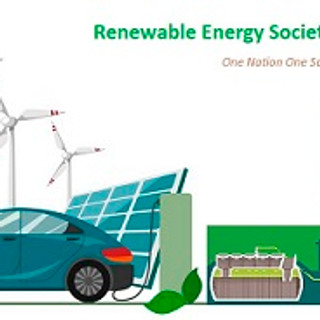
The global imperative to transition towards clean energy sources has never been more pressing. As nations strive to reduce carbon emissions and achieve energy independence, the demand for skilled professionals equipped with the latest knowledge in renewable technologies and sustainable practices continues to grow. In this context, the availability of clean energy courses online offers an invaluable resource for scientists, technologists, policymakers, industry leaders, academic institutions, and clean energy professionals seeking to deepen their expertise and contribute effectively to this transformative journey.
The Importance of Clean Energy Courses Online in the Current Energy Landscape
The energy sector is undergoing a profound transformation, driven by technological innovation, regulatory shifts, and societal demands for sustainability. Clean energy courses online provide a flexible and accessible means for professionals to stay abreast of these developments. These courses cover a broad spectrum of topics, including solar and wind energy technologies, energy storage solutions, grid integration, policy frameworks, and environmental impact assessments.
By engaging with these educational offerings, participants can acquire both theoretical foundations and practical skills necessary to design, implement, and manage clean energy projects. Moreover, such courses often incorporate case studies and data analysis relevant to the Indian context, thereby enhancing their applicability to local challenges and opportunities.

Leading Platforms Offering Clean Energy Courses Online
Several reputable institutions and platforms have developed comprehensive curricula tailored to the needs of professionals involved in the clean energy transition. These platforms leverage digital tools to deliver content through video lectures, interactive simulations, and assessments, ensuring an engaging and effective learning experience.
Massive Open Online Courses (MOOCs): Platforms such as Coursera, edX, and FutureLearn host courses developed by top universities and research centers. For example, courses on renewable energy systems, sustainable energy policy, and energy economics are frequently available.
Specialized Training Providers: Certain organizations focus exclusively on energy and environmental education, offering certifications and diplomas that emphasize practical skills and industry standards.
Government and Industry Initiatives: In India, government bodies and industry associations occasionally provide targeted training programs to support national clean energy goals.
When selecting a course, it is advisable to consider factors such as course content relevance, instructor expertise, certification value, and alignment with professional objectives.
Comprehensive Curriculum Components in Clean Energy Education
A well-structured clean energy course typically encompasses multiple modules designed to build a holistic understanding of the sector. These modules may include:
Fundamentals of Renewable Energy: Covering the science and engineering principles behind solar, wind, hydro, biomass, and geothermal energy.
Energy Storage and Grid Integration: Addressing challenges related to intermittency, storage technologies such as batteries and pumped hydro, and smart grid solutions.
Policy and Regulatory Frameworks: Examining national and international policies, incentives, and standards that govern clean energy deployment.
Environmental and Social Impact Assessment: Evaluating the ecological footprint and community implications of energy projects.
Project Management and Financing: Providing insights into project lifecycle management, risk assessment, and funding mechanisms.
The inclusion of practical assignments and real-world case studies enhances the applicability of theoretical knowledge, enabling learners to develop actionable strategies for clean energy implementation.

Enhancing Professional Competence Through Online Clean Energy Transition Courses
The availability of online clean energy transition courses facilitates continuous professional development by offering up-to-date content that reflects the latest technological advancements and policy changes. These courses enable professionals to:
Stay Current with Innovations: Rapid developments in energy storage, grid management, and renewable technologies necessitate ongoing education.
Develop Cross-Disciplinary Expertise: Understanding the interplay between technology, policy, and economics is critical for effective decision-making.
Expand Networks and Collaborations: Many courses incorporate forums and group projects that foster interaction among participants from diverse backgrounds.
Contribute to National Goals: By acquiring specialized knowledge, professionals can support initiatives aimed at achieving net-zero emissions and energy independence.
It is recommended that participants complement online learning with practical experience and engagement in industry forums to maximize the impact of their education.
Strategic Recommendations for Maximizing the Benefits of Clean Energy Courses
To derive optimal value from clean energy courses online, the following strategies are advised:
Define Clear Learning Objectives: Identify specific skills or knowledge areas that align with current or anticipated professional roles.
Select Accredited and Recognized Programs: Prioritize courses that offer certification recognized by industry or academic institutions.
Engage Actively with Course Materials: Participate in discussions, complete assignments diligently, and seek clarification when necessary.
Apply Learning to Real-World Contexts: Where possible, integrate course insights into ongoing projects or policy development efforts.
Pursue Continuous Learning: Given the dynamic nature of the clean energy sector, ongoing education is essential to maintain relevance.
By adopting these approaches, professionals can enhance their capacity to contribute meaningfully to the clean energy transition.
Advancing India’s Clean Energy Future Through Education
The Renewable Energy Society of India (RESI) envisions a future where innovation, collaboration, and empowerment drive the nation towards sustainable energy solutions. Education, particularly through accessible and high-quality online clean energy courses, constitutes a cornerstone of this vision. By equipping stakeholders with the necessary expertise, these courses support the development of robust clean energy infrastructure, informed policy-making, and effective project execution.
In conclusion, the strategic engagement with clean energy courses online represents a critical investment in human capital that will underpin India’s progress towards net-zero emissions and energy independence. The continued expansion and enhancement of such educational resources will be instrumental in fostering a resilient and sustainable energy ecosystem.


Comments