

_edited.jpg)
Resi Energy Insights: Understanding RESI in Renewable Energy
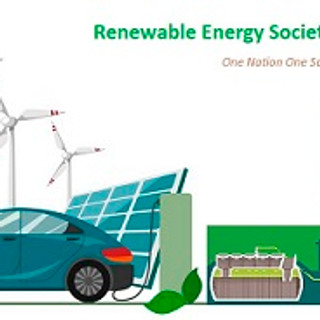
The accelerating transition towards sustainable energy sources has necessitated the establishment of platforms that facilitate collaboration, innovation, and knowledge dissemination within the renewable energy sector. Among these, the Renewable Energy Society of India (RESI) has emerged as a pivotal institution, dedicated to advancing India's clean energy ambitions. This article aims to elucidate the concept of RESI, its role in the renewable energy landscape, and the broader implications for energy policy and technological development in India.
The Role of RESI Energy Insights in India's Clean Energy Transition
The Renewable Energy Society of India functions as a national platform that unites scientists, technologists, policymakers, industry leaders, academic institutions, and clean energy professionals. Its primary objective is to accelerate the adoption of renewable energy technologies and foster an environment conducive to innovation and collaboration. By providing a forum for knowledge exchange and policy advocacy, RESI energy insights contribute significantly to India's pursuit of net-zero emissions and energy independence.
The society's initiatives encompass organizing conferences, workshops, and seminars that address critical challenges in renewable energy deployment. These events facilitate the dissemination of cutting-edge research findings and best practices, enabling stakeholders to make informed decisions. Furthermore, RESI actively engages with government bodies to influence policy frameworks that support sustainable energy development.

Key Components and Functions of RESI
RESI operates through a multifaceted approach that integrates research, education, policy advocacy, and industry collaboration. Its core functions include:
Research Facilitation: Encouraging interdisciplinary research projects that address technical, economic, and environmental aspects of renewable energy.
Capacity Building: Offering training programs and certification courses to enhance the skills of professionals in the renewable energy sector.
Policy Engagement: Collaborating with governmental and non-governmental organizations to shape policies that incentivize clean energy investments.
Industry Networking: Creating platforms for interaction between startups, established companies, and research institutions to foster innovation and commercialization.
By focusing on these areas, RESI ensures that the renewable energy ecosystem in India remains dynamic and responsive to emerging challenges and opportunities.
Is it resy or rezy?
A common point of confusion arises regarding the pronunciation and spelling of the acronym RESI. It is important to clarify that the correct term is "RESI," pronounced as individual letters rather than as a word. This distinction is crucial for maintaining consistency in communication and avoiding misunderstandings within professional and academic circles.
The acronym stands for Renewable Energy Society of India, and its usage should reflect the formal and precise nature of the organization. Mispronunciations such as "resy" or "rezy" are informal and do not align with the society's professional image. Ensuring accurate terminology supports clear discourse and reinforces the credibility of the institution.

Practical Implications of RESI's Work for Stakeholders
The activities and insights generated by RESI have tangible impacts on various stakeholders involved in India's renewable energy sector. For scientists and technologists, RESI provides access to collaborative research opportunities and state-of-the-art technological developments. Policymakers benefit from evidence-based recommendations that inform regulatory frameworks and incentive structures.
Industry leaders gain from networking events that facilitate partnerships and market expansion, while academic institutions leverage RESI's resources to enhance curriculum relevance and research output. Clean energy professionals find value in continuous learning and certification programs that improve their competencies and career prospects.
To maximize these benefits, stakeholders are encouraged to actively participate in RESI's initiatives, contribute to knowledge sharing, and align their strategies with the society's vision of a sustainable energy future.
Future Directions and Strategic Importance of RESI
Looking ahead, the Renewable Energy Society of India is poised to play an increasingly critical role in shaping the trajectory of India's energy landscape. As the nation intensifies its efforts to meet ambitious climate targets, the need for coordinated action and innovation becomes paramount. RESI's strategic focus on fostering collaboration among diverse actors positions it as a catalyst for transformative change.
Emerging areas such as energy storage, smart grids, and green hydrogen present new frontiers for research and development. RESI's engagement in these domains will be instrumental in overcoming technical barriers and accelerating commercialization. Additionally, the society's commitment to inclusivity ensures that renewable energy benefits reach all segments of society, thereby supporting equitable and sustainable growth.
In conclusion, the comprehensive understanding and active engagement with RESI's initiatives are indispensable for advancing India's clean energy agenda and achieving long-term energy security.


Comments