

_edited.jpg)
Understanding the Role of RESI Energy Framework in India's Clean Energy Sector
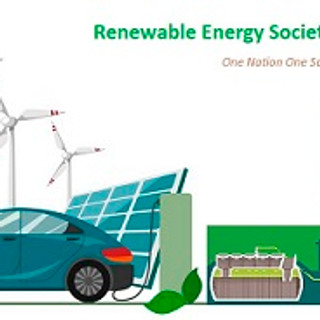
The transition to clean energy in India represents a critical juncture in the nation's pursuit of sustainable development and energy security. The Renewable Energy Society of India (RESI) has emerged as a pivotal institution in this transformative journey, providing a structured framework that fosters innovation, collaboration, and policy advocacy. This article explores the multifaceted role of the RESI energy framework in accelerating India's clean energy ambitions, highlighting its strategic importance, operational mechanisms, and the broader implications for the energy landscape.
The Strategic Importance of the RESI Energy Framework
The RESI energy framework serves as a comprehensive platform designed to unify diverse stakeholders within India's clean energy ecosystem. By integrating scientists, technologists, policymakers, industry leaders, academic institutions, and clean energy professionals, the framework facilitates a cohesive approach to addressing the complex challenges associated with renewable energy deployment. This integration is essential for aligning technological advancements with policy directives and market dynamics.
One of the primary objectives of the RESI energy framework is to expedite India's progress towards net-zero emissions and energy independence. This is achieved through the promotion of cutting-edge research, the dissemination of best practices, and the establishment of collaborative networks that transcend traditional sectoral boundaries. The framework's emphasis on innovation ensures that emerging technologies such as solar photovoltaics, wind energy, bioenergy, and energy storage systems receive the necessary support for commercialization and scalability.

Key Components and Operational Mechanisms of the RESI Energy Framework
The operational efficacy of the RESI energy framework is underpinned by several core components that collectively drive its mission. These include knowledge exchange platforms, policy advocacy groups, research and development consortia, and capacity-building initiatives. Each component plays a distinct role in reinforcing the framework's overarching goals.
Knowledge exchange platforms facilitate the sharing of technical expertise and market intelligence among stakeholders. These platforms often take the form of conferences, workshops, and digital forums, enabling real-time dialogue and collaboration. Policy advocacy groups within the framework engage with government bodies to influence regulatory reforms that incentivize renewable energy investments and remove systemic barriers.
Research and development consortia bring together academic institutions and industry players to undertake joint projects aimed at enhancing the efficiency and cost-effectiveness of renewable technologies. Capacity-building initiatives focus on training and skill development, ensuring that the workforce is equipped to meet the evolving demands of the clean energy sector.
The synergy created by these components ensures that the RESI energy framework remains adaptive and responsive to the dynamic energy landscape in India.
Is it resy or rezy?
Clarification regarding the correct nomenclature is essential for maintaining consistency and credibility within the clean energy discourse. The acronym "RESI" stands for the Renewable Energy Society of India, and it is imperative to distinguish it from phonetically similar terms such as "resy" or "rezy," which bear no relevance to the sector. Misinterpretations or typographical errors can lead to confusion, particularly in academic and policy documents where precision is paramount.
The correct usage of "RESI" reflects the organization's commitment to professionalism and its authoritative position within the clean energy domain. This distinction also facilitates accurate referencing in research publications, media reports, and stakeholder communications.
Practical Implications for India's Clean Energy Transition
The implementation of the RESI energy framework has tangible implications for accelerating India's clean energy transition. By fostering a collaborative environment, the framework enables the pooling of resources and expertise, which is critical for overcoming technical and financial challenges. For instance, joint ventures between research institutions and industry players have led to the development of advanced solar cell materials that exhibit higher efficiency and durability.
Moreover, the framework's policy advocacy efforts have contributed to the formulation of supportive regulations such as feed-in tariffs, renewable purchase obligations, and tax incentives. These measures have significantly enhanced the attractiveness of renewable energy projects, thereby catalyzing investment flows.
Capacity-building programs under the RESI energy framework have also addressed the skill gaps prevalent in the sector. Training modules tailored for engineers, project managers, and policymakers have improved project implementation quality and operational efficiency. This holistic approach ensures that the clean energy sector is not only technologically advanced but also institutionally robust.

Future Prospects and the Path Forward
Looking ahead, the RESI energy framework is poised to play an increasingly influential role in shaping India's clean energy trajectory. The framework's adaptability to emerging trends such as digitalization, decentralized energy systems, and green hydrogen production will determine its continued relevance. Embracing these innovations will require sustained collaboration and a forward-looking policy environment.
Furthermore, the framework's potential to facilitate international partnerships can enhance knowledge transfer and access to global best practices. This is particularly pertinent as India seeks to position itself as a leader in the global clean energy arena.
In conclusion, the resi energy framework embodies a strategic and operational paradigm that is indispensable for India's clean energy future. Its comprehensive approach, encompassing innovation, collaboration, and capacity building, provides a robust foundation for achieving the nation's ambitious sustainability goals. Continued support and engagement from all stakeholders will be essential to harness the full potential of this framework and to realize a resilient, low-carbon energy system for India.


Comments